By Kadiatu Sankoh
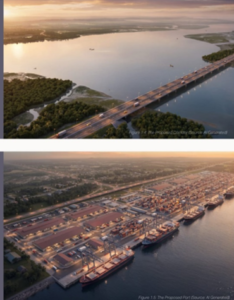
A proposed 49-kilometre network of roads and bridges linking Freetown to Lungi is set to offer a new vision for regional connectivity, economic growth and urban development in Sierra Leone.
Known as the Freetown-Lungi Growth Corridor, the proposed initiative seeks to improve transportation links, while creating opportunities for investment, housing, business development and tourism.
The project envisions a more integrated region connecting Freetown, Lungi and Tasso Island through strategic infrastructure and complementary development initiatives.
Every day, thousands of Sierra Leoneans travel long distances to access employment, education, markets and essential services. The proposed corridor aims to address some of these connectivity challenges, while laying the groundwork for sustainable economic development.
More than a transportation project, the initiative seeks to establish a development framework in which infrastructure, communities and economic activities grow.
The proposed development is built around three complementary areas: a new administrative capital, Lungi New City and Tasso Island.
The first component is a new administrative capital, envisioned as a centre for government institutions, business, education and public services. The proposed development is intended to help ease congestion in Freetown while creating space for institutional expansion and private-sector investment.
The second component, Lungi New City, is planned as a modern urban centre featuring housing, essential services and commercial facilities. Its strategic location near Lungi International Airport and a proposed port could position it as an important gateway for trade, tourism and employment.
The third component focuses on Tasso Island, where low-impact tourism is being considered as a means of generating economic opportunities while preserving the island’s natural environment, cultural heritage and sensitive ecosystems.
Together, these three development areas are intended to support a diversified regional economy, reduce pressure on Freetown and create new opportunities for communities across the corridor.
Although the proposal presents an ambitious vision, project planners emphasise that the corridor remains at the planning stage.
They maintain that translating the concept into a credible development plan will require comprehensive research, technical assessments, stakeholder engagement and a thorough understanding of existing land-use patterns and community needs.
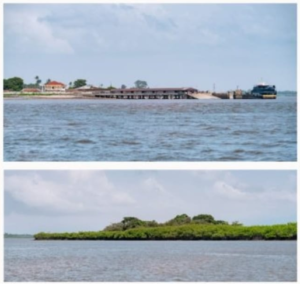
The project team has reportedly been examining existing conditions, transportation networks, infrastructure opportunities and the region’s economic potential through technical assessments, discussions with stakeholders and site visits.
Alternative development layouts are also being explored to determine suitable locations for future growth while identifying environmentally sensitive areas that require protection.
According to the project team, site visits are helping to improve understanding of the region’s opportunities, challenges and the decisions required to advance the proposal.
These preparatory activities are expected to inform future planning decisions and help establish a more practical framework for the proposed development.
As discussions surrounding the proposed corridor continue, questions about community participation, environmental protection and the distribution of economic benefits are likely to remain central to the project’s future.
The protection of mangroves, wetlands and existing livelihoods will be particularly important in ensuring that development does not come at the expense of vulnerable communities and natural ecosystems.
Fishermen, farmers, traders, market women and young people are among the groups whose livelihoods and future opportunities could be affected by development along the corridor.
Meaningful consultation with these communities will therefore be essential to understanding their concerns, protecting their interests and ensuring that they have opportunities to participate in the region’s economic transformation.
Responsible planning will also require careful consideration of the environmental and social implications of new roads, bridges, housing developments and commercial activities.
The broader objective is to ensure that the proposed infrastructure creates opportunities for local businesses and residents while safeguarding resources for future generations.
If implemented, the Freetown-Lungi Growth Corridor could significantly influence how people travel, work, conduct business and access services across the region.
However, the proposal’s future will depend on the outcome of planning studies, stakeholder consultations, environmental considerations and the decisions required to move the initiative towards implementation.
For now, the focus remains on research, technical assessments and mapping out a development pathway that responds to the region’s needs and long-term potential.
Ultimately, the success of the proposed corridor will depend not only on the infrastructure constructed but also on its ability to deliver inclusive economic opportunities, protect the environment and improve the lives of the people it is intended to serve.
The vision is clear: connecting places must also mean connecting people to opportunity.