Parliament Endorses New Lease of Life for Gov’t Printing
The Leader of the Opposition in the Parliament of Sierra Leone, Hon. Abdul Kargbo, has called for stronger safeguards and greater accountability in the implementation of the Joint Venture Agreement between the Ministry of Information and Civic Education and Diming Yimo Printing Group.
Speaking during the parliamentary debate on Tuesday, 14 July 2026, Hon. Kargbo acknowledged the potential benefits of the agreement, but cautioned that several critical issues must be addressed to protect Sierra Leone’s national interest.
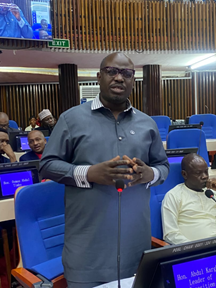
He noted that the agreement commits an investment of US$5 million, with US$2 million to be invested within one month for the procurement of modern printing equipment, and the remaining US$3 million to be invested within one year for the rehabilitation of the Government Printing Department.
According to him, the agreement has the potential to modernise government printing services, introduce international printing standards, improve local printing capacity, reduce dependence on foreign printing services, and strengthen the country’s technological capabilities.
Hon. Kargbo also welcomed the provisions on technology transfer and skills development, stating that more than 200 Sierra Leonean printing professionals are expected to benefit from over 500 hours of technical training within five years. He further praised the employment protection clause, which guarantees that existing Government Printing Department staff will retain their jobs while receiving training on modern printing technology.
The Opposition Leader further commended the dispute resolution mechanism, which encourages negotiation before arbitration, saying it could reduce unnecessary litigation and promote amicable settlement of disputes.
However, despite recognising these advantages, Hon. Kargbo raised several concerns about the agreement.
He argued that the Government is contributing significant assets to the joint venture, including land, existing buildings, printing machinery, an established customer base, and legislation requiring all government printing jobs to be carried out through the joint venture. Despite these contributions, he questioned why the Government would hold only a 30 percent stake, while the foreign investor would control 70 percent.
“The Government is not only providing land and infrastructure; it is also handing over its existing business and guaranteed clientele. These are valuable national assets that must be properly valued,” he stated.
Hon. Kargbo also expressed concern over the extensive tax incentives granted to the investor, including exemptions from import duties, corporate income tax, and other taxes for a period of ten years. He warned that such concessions could deprive the Government of substantial revenue if not properly monitored.
He stressed the need for effective oversight mechanisms to prevent the abuse of tax waivers, noting that Sierra Leone has previously experienced cases where companies misused similar incentives.
The Opposition Leader further criticised the agreement for lacking adequate performance guarantees. He pointed out that while provisions exist for termination, there are no requirements for performance bonds, bank guarantees, or insurance-backed investment guarantees to protect the Government if the investor fails to fulfil its obligations.
He also urged that improvements in the Government Printing Department should translate into better salaries and working conditions for employees, especially as they will be operating modern equipment and receiving specialised training.
Hon. Kargbo additionally raised concerns over national security, warning that requiring all government printing to be handled by the joint venture could expose sensitive and classified state documents to foreign operators. He called for clear provisions exempting national security documents from the arrangement.
In conclusion, the Opposition Leader reiterated that while he supports efforts to modernise the Government Printing Department, Parliament must ensure that the agreement adequately protects Sierra Leone’s economic interests, national security, and public resources.
Responding to the debate, the presiding officer urged the Minister of Information and Civic Education to carefully consider the concerns raised by the Opposition Leader as the agreement moves into implementation, emphasising the importance of protecting the country’s long-term interests.