Will The SLPP Repeat Mistake of 2007 In 2028?
By Mohamed Malaam Janneh
Freetown | +232 76 276363
The transition politics within the Sierra Leone People’s Party are beginning to mirror a familiar script. As President Julius Maada Bio’s administration approaches its final term, the Party faces the same structural challenges that defined its 2007 defeat: succession battles, delegate patronage, and the tension between continuity and change.
That year, the 2005 Makeni Convention served as the coronation platform for Vice President Solomon Berewa, backed by outgoing President Alhaji Dr. Ahmad Tejan Kabbah. The process was elite-driven. The result was a disconnect that would cost the SLPP the presidency to Ernest Bai Koroma and the All People’s Congress in 2007.
With 2028 on the horizon, Party strategists are asking: have the lessons been learned?
- DELEGATE CONVENTIONS AND SUCCESSION
National Delegates Conventions remain the most critical flashpoints in SLPP politics.
In 2005, the convention was less a contest and more a ratification. The backing of the sitting President carried “Solo B” to victory, but it also alienated sections of the grassroots who felt excluded.
That convention became the political turning point of the SLPP. Charles Francis Margai, who was the delegates’ favourite, walked out of the hall with most of his supporters, including delegates. That split gave birth to the People’s Movement for Democratic Change – PMDC.
Ahead of 2028, the same dynamics are emerging. The question is whether the upcoming convention will be a genuine contest of ideas and delegates, or another coronation shaped by incumbency and money. For a Party that built its brand on grassroots mobilization, the optics will matter.
- CAMPAIGN DYNAMICS AND PATRONAGE
Money has always been a factor, but the risk in transition years is higher.
There are growing concerns about lavish spending, “briefcase politics,” and a disconnect between elite-driven campaigns and grassroots sentiment. The danger is well known: delegates accept resources today and vote their conscience tomorrow.
In 2007, that disconnect proved fatal. Voters and lower-level Party structures felt the leadership was out of touch, and the APC capitalized on that gap with a message of change.
If 2028 candidates rely only on financial muscle without organic grassroots buy-in, the SLPP risks repeating that mistake.
- INTER-PARTY COMPETITION AND HISTORICAL MEMORY
The 2007 loss remains the SLPP’s reference point for what happens when a ruling party fractures internally.
After 11 years in power, internal divisions, perceived entitlement, and failure to manage succession, created an opening. Ernest Bai Koroma and the APC walked through it.
Today, the APC is in opposition and facing its own challenges, but it is seemingly rebuilding. The SLPP enters 2028 with the advantage of incumbency, but also with the burden of 10 years in government. Voters will judge on delivery, not just Party loyalty.
For SLPP strategists, the lesson is clear: unity, a credible flagbearer, and a message that speaks to economic realities will determine whether the Party retains power or hands it over.
THE ROAD TO 2028
The politics of “old age and money” — a shorthand for gerontocracy and patronage — will define the next 24 months.
If the Party allows the convention to become a contest of wallets rather than vision, it may produce a candidate acceptable to the elite but rejected by the base. If it opens the space for broader participation, it could renew itself.
President Bio cannot run again. What happens next will be decided not in State House, but in the halls where delegates meet.
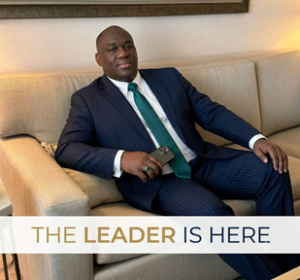
That is where Hon. Alhaji Musa Tarawally is positioning himself. He is being described by some Party observers as the “Charles Francis Margai of 2028” — a grassroots mobilizer operating outside the core elite. At the moment, he can be seen meeting grassroots structures, mobilizing delegates, and empowering communities across the country through multi-purpose cooperative schemes.
History suggests that in Sierra Leone, Parties don’t lose elections because the Opposition is strong. They lose because they fail to manage themselves.
2028 will test whether the SLPP remembers 2005