By Abrah Tee Jay
Sierra Leone’s 2028 General Elections, though still some distance away, are already shaping up to be a defining moment for the country’s two dominant political parties—the Sierra Leone People’s Party (SLPP) and the All People’s Congress (APC). The outcome of the election will depend heavily on the strategic choices each party makes, particularly in selecting their Presidential Candidates.

At present, both parties are grappling with internal divisions that, if not carefully managed, could weaken their chances at the polls. These fractures, combined with rising political tension and increasing ambition among party members, suggest that the road to 2028 will be intensely competitive and potentially turbulent.
A growing number of aspirants have either declared their intentions or are positioning themselves to do so. While this reflects healthy democratic participation, the manner in which some of these ambitions are being pursued raises concerns among observers about unity and long-term party stability.
Political analysts argue that, despite the crowded field of potential candidates, only a select few possess the national appeal, political experience, and unifying capacity required to win both the party base and the broader electorate. Among these, two names frequently stand out—one from each major party.
For the incumbent SLPP, Vice President Mohamed Juldeh Jalloh is widely regarded as a strong contender. Analysts believe that his experience in governance, diplomatic engagement, and national visibility positions him as a candidate capable of consolidating party support while also appealing to undecided voters. In their view, failure to select him as the party’s flagbearer could significantly weaken the SLPP’s chances of retaining power in 2028.
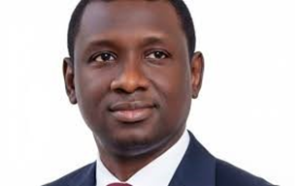
On the opposition side, the APC faces a similar strategic dilemma. Among its pool of aspirants, Ibrahim Bangura is often highlighted as a leading figure with the potential to reinvigorate the party and broaden its electoral appeal. Analysts suggest that his candidacy could provide the APC with the momentum needed to return to power. Conversely, overlooking him, they argue, might result in continued years in opposition.
Ultimately, both parties are at a crossroads. The decisions they make in the coming months—particularly regarding leadership selection—will not only shape their internal cohesion, but also determine their competitiveness in the 2028 elections.
As political dynamics continue to evolve, one thing remains clear: the battle for State House will not simply be a contest of parties, but a test of leadership, unity, and strategic foresight.