By Sall Tee Jay
Freetown, Sierra Leone – A young man from Freetown fled his community in following a violent incident linked to alleged anti-LGBTQ+ hostility. Identified here as Musa Jabbie Kanu, he reportedly left Sierra Leone after escalating threats to his safety. His whereabouts have since remained unknown, with family members reporting him missing. He has also been declared wanted by the Sierra Leone Police. While the specific crime warranting his arrest is unclear, reports state Jabbie Kanu was among those who had been criticizing the government on social media.
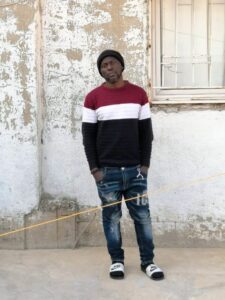
Musa Jabbie Kanu, who previously resided in Freetown, had been in a secret relationship with a well-connected businessman, who report states is very influential and politically connected. According to witness accounts, tensions erupted in his locality when residents heard shouting from Kanu’s wife , who raised an alarm that her husband had been having a secret sexual relationship with his close male friend name withheld. Kanu’s wife told onlookers she had taken notice because her husband no longer had sex with her, a situation she said had lasted over six months.
A crowd quickly gathered, with reports indicating individuals began throwing stones, bottles, and pieces of metal. Some allegedly attempted to set the premises on fire using petrol. Before the situation intensified, Jabbie Kanu was alleged to have escaped through a back exit.
His parents and siblings have been banished from the community. His father, Pa Jabbie Kanu, a well-respected Islamic cleric, has been subjected to malice, hatred, and discrimination because of his son’s actions. Police officers later arrived at the scene and instructed that the main gate be opened. Kanu’s partner, was detained and tortured for two weeks and later charged to court. He was later charged under Sodomy Act.
Sierra Leone ‘’Sodomy Act’’ of 1861 criminalizes consensual same-sex sexual acts between men, stemming from British colonial laws, carrying penalties up to life imprisonment, through prosecution.
Human rights observers note such incidents reflect the profound challenges faced by LGBTQ+ individuals in Sierra Leone, despite constitutional guarantees of rights to free movement and association. As a secular state dominated by Christianity and Islam, both of which frown upon homosexuality, social stigma and customs also strongly reject it. There have been reported cases of jungle justice against people suspected of being gay or lesbian.
Section 61 of Sierra Leone’s Offences Against the Person Act of 1861 criminalizes homosexual acts, punishable by a minimum of 10 years up to life imprisonment. While seldom enforced, the law contributes to an environment of discrimination and threat. Successive governments have failed to legislate protections for LGBTQ+ people. Former Presidents Ahmad Tejan Kabbah and Ernest Bai Koroma faced severe backlash for attempting to do so, and current President Julius Maada Bio’s government has also been unable to convince the public to support such laws. Although Sierra Leone is a signatory to the Universal Declaration of Human Rights, it has not domesticated these international protections into national law.
In the case of Jabbie Kanu, a senior lawyer speaking to Times SL Newspaper stated, “The best way one can enjoy such a facility is when you are outside Sierra Leone. Religions are the cause of hindrance to society and some of us consider it an impediment to our rights and freedom to belong and associate.”
Jabbie Kanu remains missing. Reports of a dead body found along Lumley Beach have led to speculation that he might have been killed and discarded there, though this remains unconfirmed. Sierra Leone’s legal framework still includes the Offences Against the Person Act, which specifically criminalizes non-consensual or unlawful sexual acts, including buggery.
Investigation continues