The Sierra Leone Road Safety Authority (SLRSA) has engaged key road safety stakeholders in preparation for the nationwide enforcement of the mandatory use of standard crash helmets by commercial motorbike riders and passengers.
The consultative meeting, held at the Authority’s headquarters on Kissy Road, Freetown, reaffirmed stakeholders’ collective commitment to improving compliance with the law and reducing road traffic deaths and serious injuries across Sierra Leone.
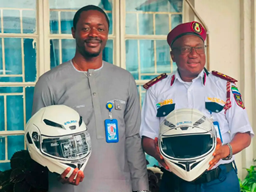
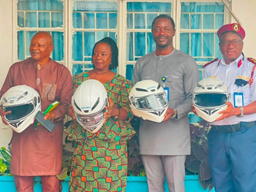
The meeting brought together representatives from the Sierra Leone Police, the Bike Riders Union, the World Health Organization (WHO), and the Civil Society Movement to discuss strategies for the upcoming enforcement campaign.
Speaking during the engagement, the Executive Director of the Sierra Leone Road Safety Authority, Mr. James Bagie Bio, said that Sierra Leone has joined the global community in advancing road safety commitments following his participation at the United Nations General Assembly in the United States of America. He noted that the implementation of the Road Safety Charter and related road safety interventions is essential to achieving the objectives of the UN Decade of Action for Road Safety 2021–2030.
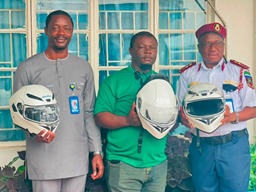

Mr. Bio further disclosed that Sierra Leone is among five countries nominated to serve on the steering committee responsible for promoting the implementation of standard helmet use and other road safety measures. He emphasized that these efforts are geared towards reducing road traffic fatalities and serious injuries by 50 percent by 2030.
He commended the Sierra Leone Police for their unwavering support to the Authority and called on all stakeholders to continue partnering with the SLRSA in promoting safer roads across the country.
The Health Promotion Officer of the World Health Organization (WHO), Mr. Fredson Kuti-George, described the meeting as timely, particularly following the Executive Director’s engagement at the United Nations General Assembly. He reaffirmed that road safety remains a key priority for the WHO and assured the Authority of the organization’s continued support in implementing the UN Decade of Action for Road Safety.
The National Traffic Coordinator of the Sierra Leone Police, DSP Alimamy Koroma, emphasized that the use of crash helmets is already a legal requirement under Section 114 of the Road Traffic Act. He explained that the forthcoming enforcement exercise is intended to prevent deaths and life-threatening head injuries resulting from motorcycle crashes.
He further stressed the need for a nationwide joint public sensitization campaign using multiple communication platforms to educate the public on the importance of wearing standard crash helmets.
The National Coordinator of the Civil Society Movement Sierra Leone, Madam Juliet Anderson, described helmet promotion as a shared responsibility. She disclosed that the organization is currently implementing an Emergency Safer Roads Initiative and expressed its willingness to collaborate with the SLRSA and other stakeholders to advance road safety.
She also underscored the importance of collecting reliable data to monitor progress and measure the impact of ongoing road safety interventions.
Speaking on behalf of the Bike Riders Union, the National President, Mr. Ishmeal Sandy, welcomed the engagement and assured both the Sierra Leone Police and the SLRSA of the Union’s full cooperation.
He acknowledged that helmet use is not a new concept among commercial riders but noted that resistance from some passengers and widespread misconceptions about helmet use continue to pose significant challenges.
Chairing the meeting, the Deputy Executive Director of the SLRSA, Mr. Josie Abraham Scott-Manga, observed that many motorcycle crash fatalities result from severe head injuries sustained by riders and passengers who fail to wear protective helmets.
He emphasized that strengthening collaboration among stakeholders and intensifying public awareness would be critical to improving compliance and saving lives.
The meeting reflects the Government of Sierra Leone’s broader commitment to enhancing road safety through effective collaboration, sustained public education, and the enforcement of existing traffic laws aimed at reducing motorcycle-related fatalities and injuries.