NatCA Explores Cybersecurity & Telecoms Surveillance Support
The National Communications Authority (NatCA) is seeking to strengthen its cybersecurity capabilities and telecommunications surveillance systems through enhanced international cooperation, following discussions with the United Arab Emirates (UAE) Ambassador to Sierra Leone, Rashid Sesay.
The discussions, held on Thursday, 19 November 2026, at NatCA’s headquarters in Freetown, centred on opportunities for technical assistance, cybersecurity preparedness, telecommunications monitoring and institutional capacity-building as Sierra Leone advances its digital transformation agenda.
NatCA Director General, Amara Brewah, used the engagement to highlight growing security concerns associated with the rapid expansion of digital technologies and the increasing complexity of global telecommunications networks. He stressed that although digital transformation offers significant opportunities for economic growth and improved service delivery, it also exposes countries to emerging cyber threats that require stronger regulatory oversight and technological safeguards.
Brewah raised concerns about unauthorised network activities, including approximately 12 interconnected nodes reportedly linked to foreign actors, warning that weaknesses in telecommunications infrastructure could potentially allow external entities to exploit national networks for malicious cyber operations.
He maintained that cybersecurity should be treated as a critical component of national development and security, particularly as governments, businesses and essential services become increasingly dependent on interconnected digital systems.
The NatCA chief also drew attention to potential vulnerabilities associated with emerging technologies, including electric vehicles, whose digitally controlled systems could become targets of remote interference if adequate cybersecurity protections were not established.
Responding to the concerns, Ambassador Rashid Sesay acknowledged the growing difficulties confronting telecommunications regulators as technological developments continue to outpace existing institutional capabilities and regulatory frameworks.
He emphasised the need for stronger international partnerships, technical knowledge-sharing and institutional collaboration to equip regulatory authorities with the expertise and resources required to confront increasingly sophisticated cyber threats.
The Ambassador encouraged NatCA to consolidate its proposals for international technical assistance, particularly in surveillance technology and telecommunications monitoring infrastructure. Such support, he suggested, could improve operational efficiency, strengthen regulatory supervision and enhance the Authority’s ability to monitor complex telecommunications networks.
A significant aspect of the meeting was a technical briefing delivered by NatCA’s Director of Engineering and Infrastructure, Sahr Momodu Sewah, who presented an overview of telecommunications data consumption, international traffic destinations and voice traffic monitoring.
According to the presentation, TikTok emerged as the leading data-consuming digital platform, followed by Facebook, YouTube and WhatsApp, reflecting the growing influence of social media and digital communication services on Sierra Leone’s telecommunications infrastructure.
Guinea was also identified as a major destination for telecommunications traffic, underscoring the importance of cross-border connectivity and effective monitoring of international network activities.
The technical briefing further examined incoming and outgoing voice traffic, including billable and non-billable call minutes. Africell’s reported incoming and outgoing voice rates were recorded at 1.99, while discussions also considered international telecommunications traffic routed through designated operator trunks, including Orange.
Other areas examined included trunk logging, telecommunications data management and data transformation processes within QCell. These technical components were identified as important to improving the accuracy, transparency and effectiveness of regulatory monitoring.
Beyond cybersecurity and telecommunications surveillance, the engagement also addressed diplomatic and consular challenges involving foreign nationals whose passports may be retained during ongoing investigations, potentially complicating their return to their respective countries. Participants underscored the importance of diplomatic coordination and established institutional procedures in resolving such matters.
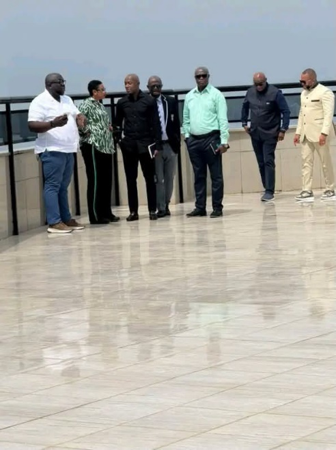
The discussions concluded with a courtesy tour of NatCA’s facilities, during which Ambassador Sesay was introduced to aspects of the Authority’s technological infrastructure, operational systems and telecommunications monitoring capabilities.
The engagement represents an opportunity to deepen cooperation between Sierra Leone and the UAE in an increasingly important area of national development. However, while the discussions identified potential areas for technical assistance and collaboration, no specific funding commitment, formal agreement or implementation timeline was announced.
As Sierra Leone continues to expand its digital infrastructure, strengthening cybersecurity preparedness, improving telecommunications surveillance and developing the technical capacity of regulatory institutions will be essential to safeguarding national networks and sustaining public confidence in the country’s digital transformation drive.